
"Arabic coffee flavors"
900 article(s) found

Introduction to the flavor cooking methods of Yunnan small seed coffee beans
Professional barista communication please pay attention to the coffee workshop (Wechat official account cafe_style) [scientific name] small seed Coffea arabica L family: Rubiaceae coffee genus [alias] small seed coffee, also known as Arabian coffee is rich in protein, fat, sucrose, starch, caffeine and other substances, made into a beverage with rich aroma, delicious taste and rich nutrition.

What are the characteristics of Ugandan coffee | introduction to Ugandan coffee producing areas and flavor characteristics
Most of the coffee grown in Uganda (80 per cent) comes from the variety Coffea canephora var.robusta, while the remaining 20 per cent includes Arabic varieties such as Typica,SL 14 and SL 28 and Kent. The Arabica variety Bugishu / Bugisu (Arabica coffee variety bugishu) is also grown in Uganda, which grows near Sipi Falls on the Shanxi slope.
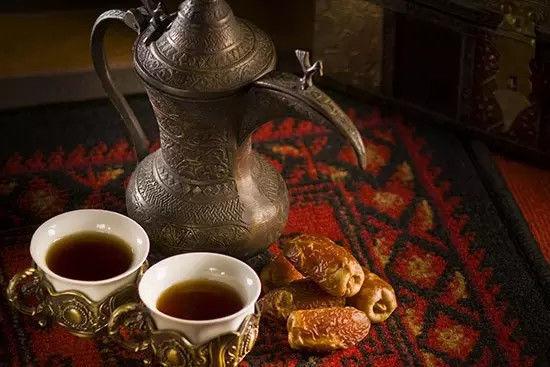
The design of this Kuwaiti cafe hides a traditional coffee pot, Dallah coffee pot.
Long before coffee became popular in Europe, it was actually a social drink in the Arab world. Coffee originated from the Arabic Qahwa, and in the 17th century, the cultivation and production of coffee was monopolized by Arabs. Even today, you can still feel the strong local characteristics of drinking coffee in Arab countries. The coffee itself gives off the flavor of spices, and you have to follow specific rules when drinking coffee.

Arabian coffee culture
As the first place in the world to consume and produce coffee, Arab coffee culture is as old and old as its coffee coffee history. In the Arab region, people still retain the ancient tradition and research on the way coffee is tasted, used, used, and used in terms of coffee quality, usage, environment and environment. Because Arabian coffee culture is the earliest in the world.

Galapagos Coffee introduction
In 1875, ManuelJ.Cobos, an indigenous Ecuadorian, began to grow Arabic bourbon coffee trees in the Hasunda Coffee Garden (HaciendaElCafetal) in San Cristobal. Coffee production in the Galapagos Islands: coffee is grown in San Cristobal (SaintCristobal). Inner species of Hasunda Coffee Garden (HaciendaElCafetal) in San Cristobal
Coffee in the Galapagos Islands
In 1875, Manuel J. Cobos, an indigenous Ecuadorian, began growing arabic bourbon coffee trees on Hacienda El Cafetal in San Cristobal. Coffee growing in the Galapagos Islands: Coffee is grown in Saint Cristobal. Hacienda El Cafetal in San Cristobal
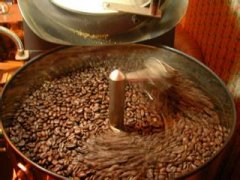
Coffee from the Galapagos Islands
In 1875, Manuel J. Cobos, an indigenous Ecuadorian, began growing arabic bourbon coffee trees on Hacienda El Cafetal in San Cristobal. Coffee growing in the Galapagos Islands: Coffee is grown in Saint Cristobal. Hacienda El Cafetal in San Cristobal

The oldest coffee in the world-- mocha coffee
Mocha coffee is the oldest coffee in the world, and its taste is consistent with antiquity and mellowness. Mocha coffee with a long history is synonymous with coffee. Its unique aroma and sour taste have attracted many coffee lovers. Some people say that in coffee, Blue Mountain can be king and mocha can be called queen. Mocha coffee has the most unique, richest and most attractive coffee in the world.
Global Coffee producer-Galapagos
In 1875, ManuelJ.Cobos, an indigenous Ecuadorian, began to grow Arabic bourbon coffee trees in the Hasunda Coffee Garden (HaciendaElCafetal) in San Cristobal. Coffee production in the Galapagos Islands: coffee is grown in San Cristobal (SaintCristobal). Inner species of Hasunda Coffee Garden (HaciendaElCafetal) in San Cristobal

Brewing method of coffee brewing method of Turkish coffee
In the brewing of coffee, it is not said which is the best way; everyone has what they think is the best way to make coffee. Coffee is already a part of our daily life, so it must suit our way of life; it can also meet the economic benefits of each person. Making coffee is not only a ritual, but also a practical problem in our lives. Coffee is not like tea or

The method of brewing coffee in various coffee utensils.
In the brewing of coffee, it is not said which is the best way; everyone has what they think is the best way to make coffee. Coffee is already a part of our daily life, so it must suit our way of life; it can also meet the economic benefits of each person. Making coffee is not only a ritual, but also a practical problem in our lives. Coffee is not like tea or

Twelve famous premium coffee producing regions of Galapagos
In 1875, Manuel J. Cobos, an indigenous Ecuadorian, began growing arabic bourbon coffee trees on Hacienda El Cafetal in San Cristobal. Coffee growing in the Galapagos Islands: Coffee is grown in Saint Cristobal. Hacienda El Cafetal in San Cristobal

Galapagos Islands Coffee characteristics of Galapagos Islands Coffee
In 1875, ManuelJ.Cobos, an indigenous Ecuadorian, began to grow Arabic bourbon coffee trees in the Hasunda Coffee Garden (HaciendaElCafetal) in San Cristobal. Coffee production in the Galapagos Islands: coffee is grown in San Cristobal (SaintCristobal). Inner species of Hasunda Coffee Garden (HaciendaElCafetal) in San Cristobal

Global coffee producer Galapagos Galapagos Islands Coffee Market
In 1875, ManuelJ.Cobos, an indigenous Ecuadorian, began to grow Arabic bourbon coffee trees in the Hasunda Coffee Garden (HaciendaElCafetal) in San Cristobal. Coffee production in the Galapagos Islands: coffee is grown in San Cristobal (SaintCristobal). Inner species of Hasunda Coffee Garden (HaciendaElCafetal) in San Cristobal

The coffee producing area of the Galapagos Islands.
In 1875, ManuelJ.Cobos, an indigenous Ecuadorian, began to grow Arabic bourbon coffee trees in the Hasunda Coffee Garden (HaciendaElCafetal) in San Cristobal. Coffee production in the Galapagos Islands: coffee is grown in San Cristobal (SaintCristobal). Inner species of Hasunda Coffee Garden (HaciendaElCafetal) in San Cristobal

The coffee producing area of the Galapagos Islands.
In 1875, ManuelJ.Cobos, an indigenous Ecuadorian, began to grow Arabic bourbon coffee trees in the Hasunda Coffee Garden (HaciendaElCafetal) in San Cristobal. Coffee production in the Galapagos Islands: coffee is grown in San Cristobal (SaintCristobal). Inner species of Hasunda Coffee Garden (HaciendaElCafetal) in San Cristobal

Start a fantastic journey from coffee
Seattle people are famous for drinking coffee. Egypt: there are special Arabic spices in coffee. Arabia is the first region in the world to drink and produce coffee. Caffeine culture is full of nostalgia in Egypt. Even Najib Mahafuz, a Nobel Prize winner and a famous Egyptian writer, has a specific description of Egyptian cafes in many of his novels. The most unique thing is, stir-fry

What are the two ways to deal with Yejia Coffee beans?
Yega Xuefei is divided into two categories according to the different ways of handling raw coffee beans: category An is washed, and the grade standard is set by the American Fine Coffee Association SCAA, which is divided into Gr-1;Gr-2, the smaller the Arabic numeral, the higher the grade, and the distinct style of G1 Yega Chefe. The flavor of citrus and floral flavor in the coffee liquid is irresistible to everyone; Class B is the sun-treated raw coffee beans.

A brief introduction to the planting market price of Yega Xuefei boutique coffee beans with fruit and flower scent
According to the different ways of handling raw coffee beans, Jia Xuefei can be divided into two categories: category An is washed, and the grade standard is formulated by the American Fine Coffee Association SCAA, which is divided into GR-1;GR-2, the smaller the Arabic numeral, the higher the grade, the distinct style of G1 Yega Chuefei, the flavor of citrus and floral flavor in the coffee liquid is a delicacy that everyone can't resist; Class B is the sun treatment of raw coffee beans, etc.

What is the treatment of Kenyan coffee beans growing at an altitude of 1500 mi 2100 meters?
It was not until around the 11th century that people began to use boiled coffee as a drink. In the 13th century, Ethiopian troops invaded Yemen and brought coffee to the Arab world. Because alcohol was strictly prohibited in the Muslim world, coffee became a very important social drink at that time. The word coffee Coffee comes from the Arabic Qahwa, meaning plant drink, which later spread to Turkey and became